Article written by US Member the Wildlife Justice Commission
June 2025 -As over 60 Heads of State and Government and 15,000 participants convened together for the Third United Nations Ocean Conference (UNOC3), held in Nice from 9 to 13 June 2025, policymakers made significant commitments, including on marine protected areas, financing for ocean protection and deep-sea mining. Yet, amid growing threats to ocean health, one critical issue remained unaddressed in the global ocean agenda: the trafficking of endangered and vulnerable marine species.
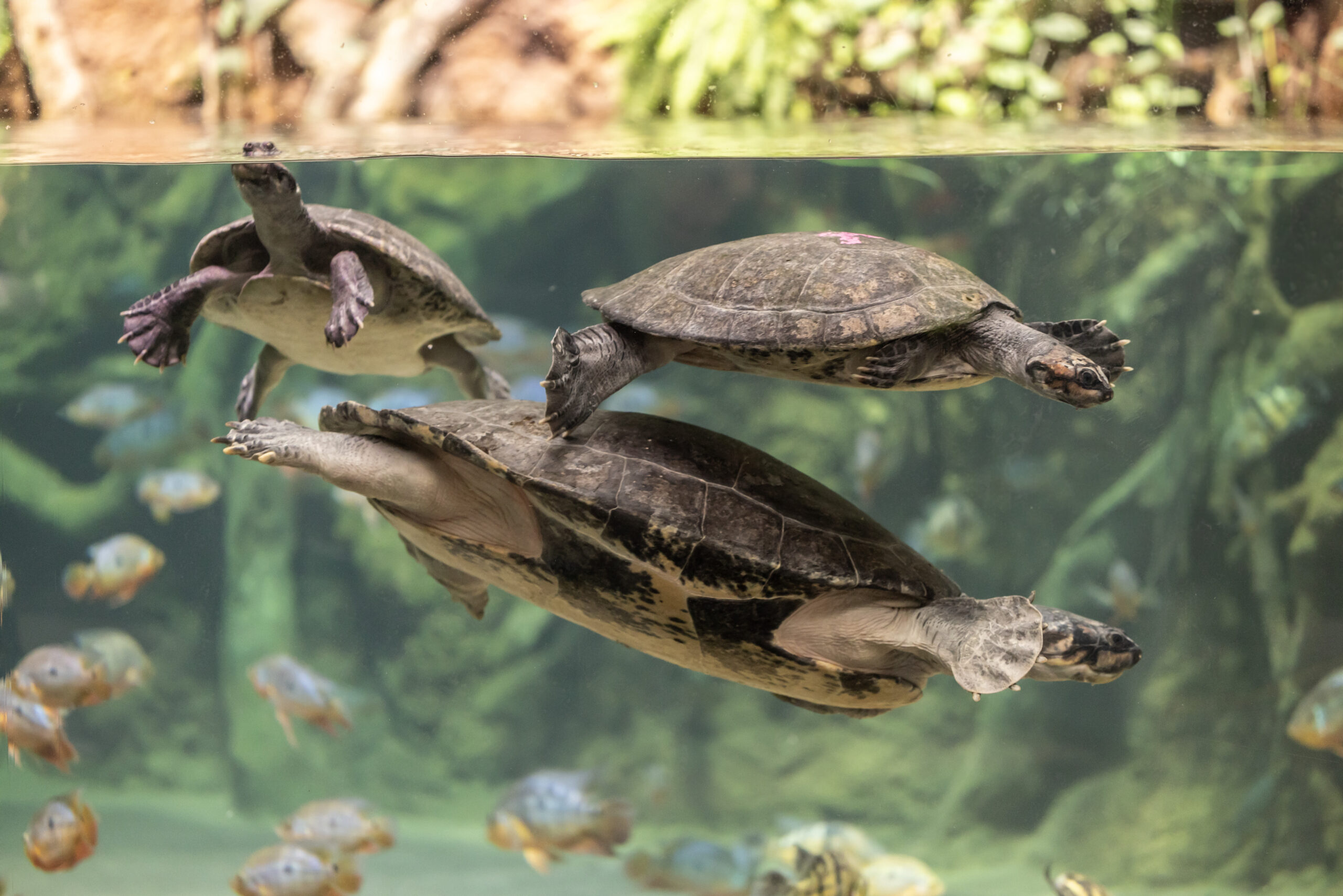
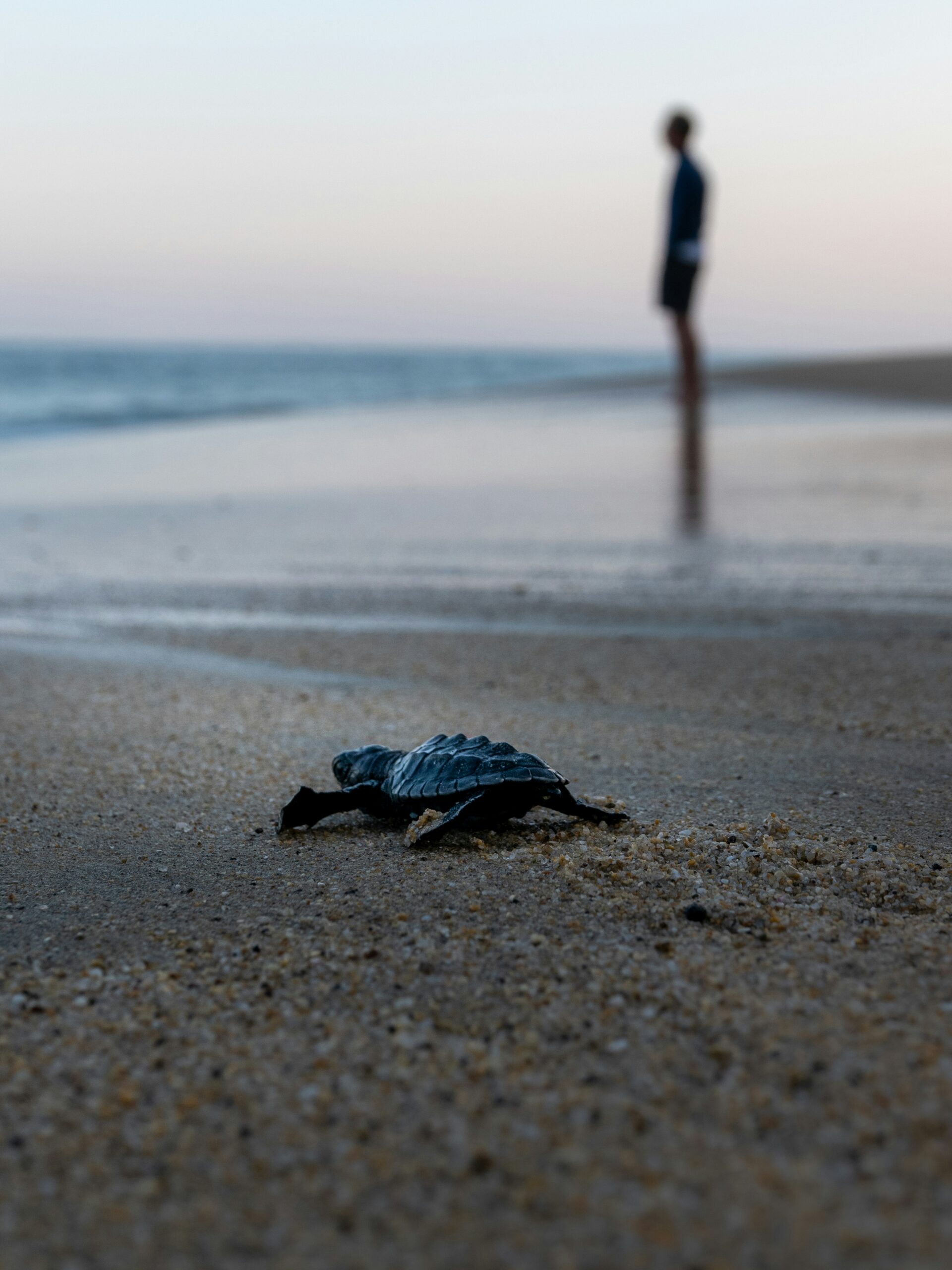
Now recognized as the most trafficked wildlife group globally, marine species such as sharks, sea cucumbers, seahorses and abalone are being pushed toward extinction by illegal trade. These crimes, driven by transnational organized networks, facilitated by corruption and often linked with other serious crimes such as drug and human trafficking, threaten not only biodiversity but also food security, public health, human rights and the rule of law.
Despite their scale and impact, these crimes remain largely weakly enforced in domestic legislation and overlooked in global ocean governance. Tackling this illicit trade requires more than conservation – it demands a robust criminal justice response. Strengthening law enforcement to dismantle trafficking networks not only protects endangered marine life, but it also reinforces the ocean capacity to regulate climate, sustain livelihoods, and safeguard global health.
IUCN members and partners – including ADM Capital Foundation, the Born Free Foundation, Freeland, the International Council of Environmental Law (ICEL), and the Wildlife Justice Commission (WJC) – contributed actively to bring this issue to the forefront of the ocean agenda. IUCN members shared technical expertise, evidence-based insights and proposed actionable solutions to effectively close legal and implementation gaps in addressing these crimes, including supporting a new Protocol to the UN Convention against Transnational Organized Crime (UNTOC) that covers all wildlife – including marine species. At this Conference, States were urged to strengthen law enforcement, international cooperation and synergies between ocean governance and criminal justice approaches.
Closing the gap in ocean governance: strengthening enforcement against crimes in the fisheries sector
To drive policy change and bring crimes in the fisheries sector to the forefront of the ocean agenda, calls were made, in particular during a high-level roundtable on “Species at Risk and Rising Crimes in the Fisheries Sector: Confronting Threats on Land and Sea”, co-hosted by the WJC, the International Conservation Caucus Foundation (ICCF UK), the Environmental Justice Foundation (EJF) and the United Nations Office on Drugs and Crime (UNODC).
Chaired by the Hon. Barry Gardiner Member of Parliament (United Kingdom) and Chair of the UK All-Party Parliamentary Group on International Conservation, the discussion featured powerful interventions from Members of Parliament, legislators from Indonesia, Saint Lucia and Grenada, and other key experts – including Dr. Heidi Weiskel, Head of IUCN Global Ocean Team. Supporting a coordinated and comprehensive global response to these crimes, the discussion highlighted growing links between crimes in the fisheries sector – including Illegal Unreport and Unregulated (IUU) fishing and the trafficking of vulnerable marine species – and transnational organized crime, while also incorporating field-based insights from participants on challenges and best practices at both local and global levels.
Key issues included weak enforcement, associated corruption, links to other serious crimes such as drug trafficking and human trafficking, disparities in domestic legal frameworks including weak penalties, and impacts on local communities. To effectively address these crimes, participants called for stronger enforcement, transparency, use of technology, international and cross-sectoral cooperation, and law enforcement support.
At this event, the WJC shared findings from investigations into marine species trafficking, showing how intelligence-led, focusing on transnational organized crime elements, especially those on-land – can significantly disrupt marine trafficking and give endangered species a chance to recover.
Following the roundtable and to sustain the conversation, the WJC, with UNODC, ICCF UK, and EJF, issued a joint statement, “Confronting Crime to Protect Our Ocean”, proposing actionable solutions to ensure that crimes in the fisheries sector, in particular marine species trafficking, are effectively tackled and prioritized in global ocean policy. A call also echoed in another joint statement by an IUCN member, notably ICEL, urging States to take steps in addressing marine species trafficking at UNOC3 and beyond, highlighting the need to close legal gaps to ensure that species, ecosystems, and coastal communities do not keep paying the price.
Elevating marine wildlife trafficking on the ocean agenda: achieving Life Below Water through Justice and Strong Institutions
To further bring marine wildlife trafficking to the center stage of the Conference, the WJC also co-organized and participated in a high-level Blue Zone event, hosted by UNODC and INTERPOL, on “Achieving SDG14 through SDG16: The Role of Criminal Justice and Law Enforcement in Ocean Governance and Protection”. This event brought together experts and high-level representatives, including support and interventions from the Governments of Angola and Fiji, the Convention on International Trade in Endangered Species of Wild Fauna and Flora (CITES) Secretary General, the Food and Agriculture Organization (FAO) of the United Nations, the Norwegian Agency for Development Cooperation (NORAD), and Allen Institute for AI (Ai2). Lessons learned and key recommendations were shared by panelists, including the urgent need to adopt a criminal law approach to marine species trafficking, enhanced enforcement transparency and use of technology, and integrated approaches between ocean and criminal justice global frameworks. To truly protect and conserve marine biodiversity, and achieve SDG 14 (Life Below Water), we must also deliver on SDG 16 (Justice and Strong Institutions).
Looking ahead
On the final day of the UN Ocean Conference, more than 170 States adopted by consensus the political declaration “Our Ocean, Our Future: United for Urgent Action”, also referred to as the Nice Ocean Action Plan, reaffirming their commitment to the conservation and sustainable use of the ocean, seas, and marine resources in line with SDG14. While the declaration contains commendable pledges, it falls short in recognizing and addressing the criminal threats to our ocean – particularly the trafficking of marine species.
Combatting this form of transnational organized crime is essential to safeguarding marine biodiversity and ecosystems. Strengthening international cooperation and integrating criminal justice approaches into ocean governance are critical to dismantling the networks driving this illicit trade.
This is a pivotal moment for IUCN and its members to help elevate awareness, strengthen political will, and support coordinated global action against marine wildlife trafficking. As a starting point to strengthen this agenda, members are encouraged to actively support calls for coordinated action to combat IUU fishing and marine species trafficking. The upcoming IUCN World Congress presents a pivotal opportunity to mobilize collective commitment and drive concrete measures to address these crimes. We must confront the crimes threatening our ocean and our societies – and ensure marine trafficking is treated as a central priority in global ocean policy. Only through collective action can we drive crucial policy change and ensure a healthy, resilient ocean for current and future generations.